Table of Contents
- 1. Introduction: Why Your Pennies Really Do Matter
- 2. Conduct a Financial Audit: Where Is the Money Going?
- 3. Mastering the Grocery Game
- 4. Slashing Your Utility Bills Without Living in the Dark
- 5. The Subscription Subscription Trap
- 6. Optimizing Your Transportation Costs
- 7. Changing How You Approach Shopping
- 8. Rethinking Dining Out and Coffee Culture
- 9. Leveraging Technology to Track Savings
- 10. Avoiding the Silent Killer: Lifestyle Inflation
- 11. Conclusion: Building Wealth One Choice at a Time
- 12. Frequently Asked Questions
1. Introduction: Why Your Pennies Really Do Matter
Have you ever reached the end of the month and wondered where your paycheck actually went? You feel like you are working hard, but your bank account is playing a game of hide and seek where the money is always hidden. Saving money on everyday expenses isn’t about depriving yourself of joy or living on ramen noodles for the rest of your life. It is about plugging the leaks in your financial bucket so you can actually start building a reserve.
Think of your finances like a garden. If you let weeds grow everywhere without ever trimming them back, your flowers will never have the space or resources to flourish. By mastering your daily spending, you are essentially weeding your garden. It is time to get intentional, get clever, and start keeping more of what you earn.
2. Conduct a Financial Audit: Where Is the Money Going?
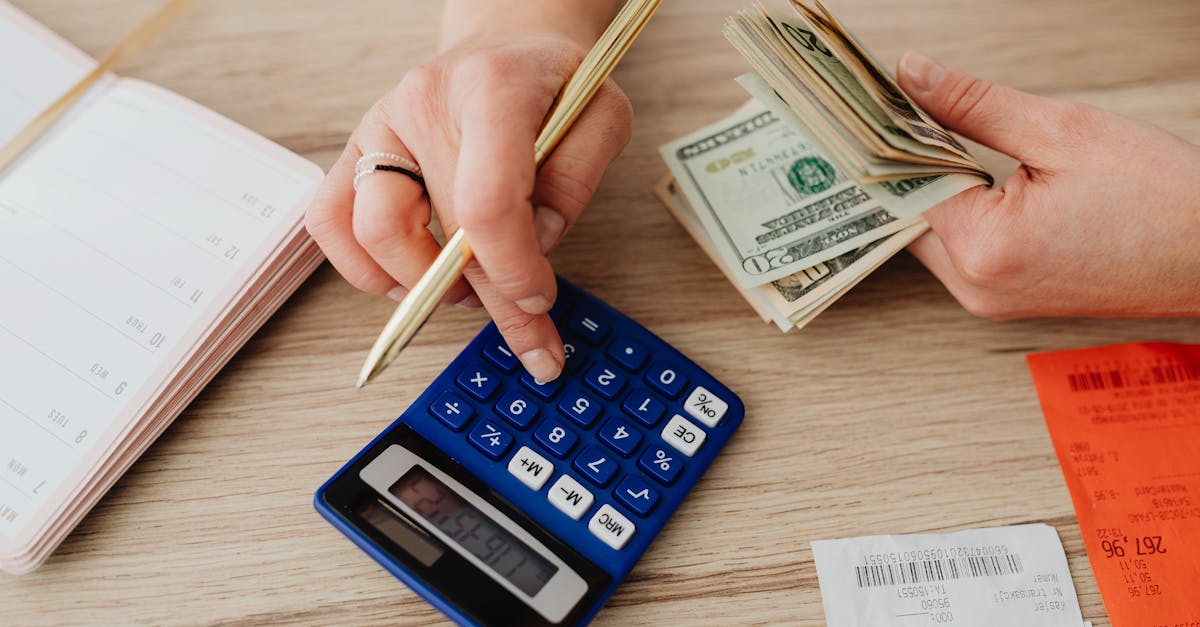
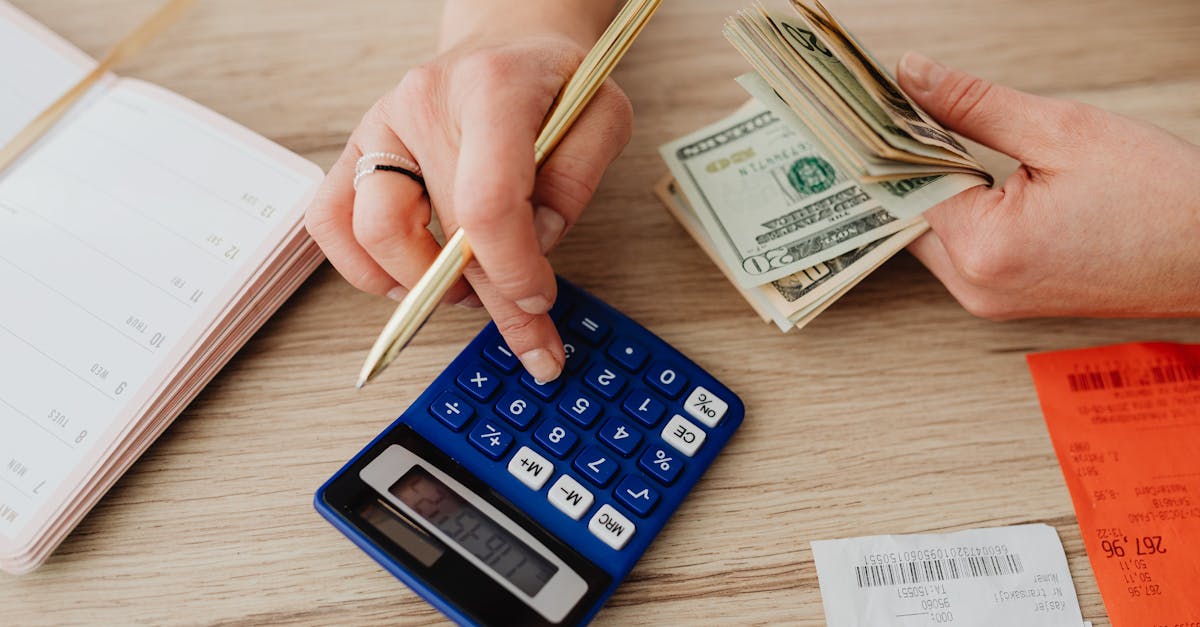
Before you can save, you have to know where you stand. Most people have a vague idea of their expenses, but vague ideas lead to vague results. You need to pull up your bank statements from the last three months. Yes, I know it is painful to look at those takeout receipts, but it is necessary.
Categorize your spending into needs and wants. You might be surprised to find that you are spending hundreds of dollars on things you barely remember buying. This audit is your roadmap. Once you see the patterns, you can begin to pivot. You are the captain of your financial ship, and it is time to steer away from the rocks of mindless consumerism.
3. Mastering the Grocery Game
The grocery store is designed to make you spend money. From the layout of the shelves to the smell of the bakery, it is a psychological battlefield. If you walk in without a plan, you have already lost.
3.1. The Art of Strategic Meal Planning
Meal planning is the ultimate superpower. Instead of asking yourself, “What do I want to eat?” every night, you answer that question on Sunday. By planning your meals around what is on sale or what you already have in your pantry, you drastically reduce food waste and the temptation to order pizza because you are too tired to cook.
3.2. To Bulk Buy or Not to Bulk Buy?
Buying in bulk is fantastic for non perishable items like toilet paper, rice, and cleaning supplies. However, it is a trap for fresh produce that you won’t eat in time. Only buy in bulk if you have a plan to consume the items before they expire. Otherwise, you are essentially throwing money directly into the trash bin.
4. Slashing Your Utility Bills Without Living in the Dark
Your utilities are like a slow leak in a pipe. You might not notice them dripping, but over a year, that puddle becomes a pond. You don’t need to sit in the dark to save money, but you do need to be conscious of how you consume resources.
4.1. Simple Hacks for Energy Efficiency
Start with the basics. LED light bulbs are a no brainer, and using a programmable thermostat can save you a fortune on heating and cooling. Also, consider the phantom energy drain. Electronics that are plugged in but not in use are still pulling power. A simple power strip can allow you to turn off multiple devices with the flip of one switch.
4.2. Managing Water Usage Intelligently
Taking shorter showers is common advice, but have you considered a low flow showerhead? It feels almost identical to a regular one but uses significantly less water. Similarly, only running your dishwasher or washing machine when you have a full load maximizes every gallon you pay for.
5. The Subscription Subscription Trap
We live in the age of “just ten dollars a month.” When you add up Netflix, Hulu, Spotify, gym memberships, and that box of artisanal coffee beans delivered to your door, you are losing a massive chunk of change every single month. Review your subscriptions every quarter. If you haven’t used it in the last thirty days, kill the subscription. You can always sign back up later if you find you truly miss it.
6. Optimizing Your Transportation Costs
Cars are one of the most expensive assets we own, not just because of the monthly payment, but because of insurance, gas, and maintenance. If you drive, treat your car with respect to make it last longer.
6.1. Driving Habits That Save Fuel
Aggressive acceleration and heavy braking are fuel killers. Think of your gas pedal like a budget; if you floor it, you empty it faster. Maintaining a steady speed and ensuring your tires are properly inflated can improve your gas mileage significantly. It is all about efficiency.
7. Changing How You Approach Shopping
Shopping has become a hobby for many, but it is a habit that keeps you broke. When you realize that every purchase requires your time and energy to earn the money, you start looking at price tags differently.
7.1. The 48 Hour Rule for Impulse Control
This is the most effective tool in your arsenal. If you see something you really want, force yourself to wait 48 hours before buying it. Usually, the emotional itch to own the item fades, and you realize you don’t actually need it. This simple pause helps you distinguish between desire and necessity.
7.2. Why Generic Brands Are Often Your Best Friend
Marketing is expensive, and you pay for that through the price of name brand products. Often, the generic or store brand product is made in the exact same facility with identical ingredients. Try the store brand; you will rarely taste the difference, but your wallet will definitely feel the savings.
8. Rethinking Dining Out and Coffee Culture
There is nothing wrong with treating yourself, but there is a problem with making luxury a daily habit. That daily five dollar latte adds up to over 1,800 dollars a year. That is a vacation or a decent emergency fund. If you can make coffee at home four days out of seven, you are already making a dent in your expenses.
9. Leveraging Technology to Track Savings
Use an app to keep you honest. Many banking apps have built in trackers that categorize your spending automatically. By having a visual representation of your progress, you turn saving into a game. When you see your savings account balance climb, it becomes addictive in the best possible way.
10. Avoiding the Silent Killer: Lifestyle Inflation
As you get raises, it is tempting to increase your standard of living instantly. This is called lifestyle inflation. Instead of upgrading your car or moving to a more expensive apartment the moment you get a promotion, keep your lifestyle the same and funnel the extra money into investments. This is the fastest way to build long term wealth.
11. Conclusion: Building Wealth One Choice at a Time
Saving money is not a one time task, it is a mindset. By conducting an audit, mastering your grocery shopping, cutting unnecessary subscriptions, and controlling impulse buys, you are reclaiming your financial power. Remember, small, consistent changes are far more sustainable than massive, painful lifestyle shifts. Start today, be patient with yourself, and watch as your financial situation transforms one penny at a time.
12. Frequently Asked Questions
- Q: Is it really worth tracking every small expense?
A: Absolutely. Small expenses are the ones that go unnoticed but drain your account. Tracking them creates awareness, which is the first step toward change. - Q: How do I stay motivated when saving feels like deprivation?
A: Change your perspective. Instead of seeing it as deprivation, see it as paying for your future freedom. Every dollar you save is a dollar that gives you more options later in life. - Q: What is the best way to handle impulse shopping?
A: Implement the 48 hour rule. By giving yourself a “cooling off” period, you strip away the emotional impulse and allow your logic to catch up. - Q: Does buying generic brands really save that much?
A: Yes, it adds up. Over a year, swapping to store brands can save you hundreds, if not thousands, of dollars depending on the size of your household and your shopping habits. - Q: How often should I review my budget?
A: Once a month is ideal. It keeps your goals fresh in your mind and allows you to catch any new subscriptions or habits that might have crept into your routine.